
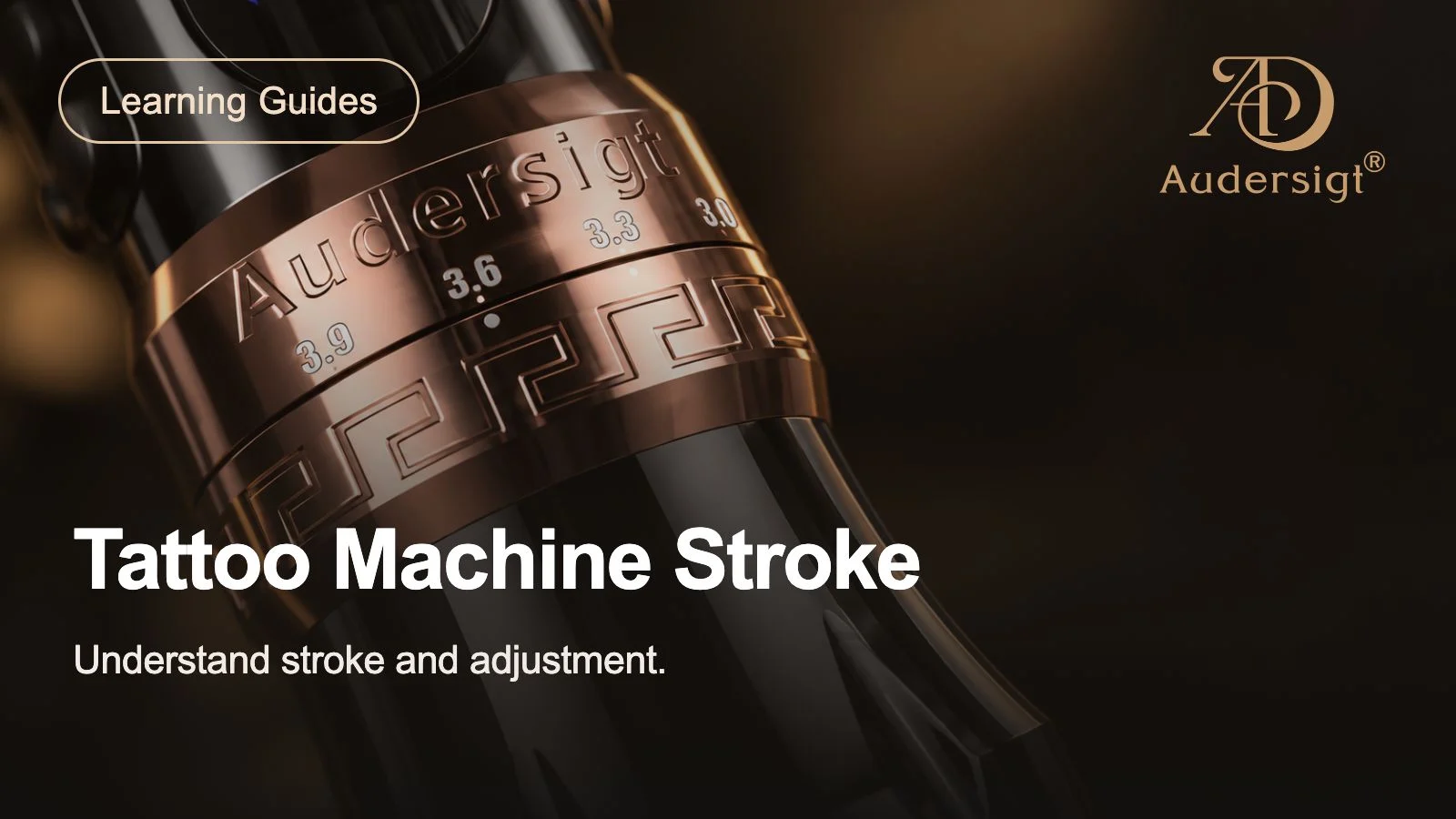
يكون اختيار آلة الوشم أسهل عندما يتم التعامل مع طول الشوط كمتغير عامل بدلاً من خط المواصفات. تغير الشوط مدى انتقال الإبرة، ومدى قوة ضربها، ومدى سرعة عودتها، ومدى سيطرة الفنان على التشبع. بالنسبة لمشتري الاستوديو، هذا يعني أن الآلة المناسبة ليست دائمًا الطراز الأعلى قوة. إنها الآلة التي تتوافق مع سرعة يد الفنان، ومجموعة الإبر، ونوع البشرة، ومدة الجلسة.
يشرح هذا الدليل نطاقات ضربات الرسم العملية للبطانة والتظليل وتعبئة الألوان والعمل اليومي المختلط. استخدمه كنقطة بداية عند مقارنة أقلام الوشم اللاسلكية وآلات الرسم القابلة للتعديل والأنظمة الدوارة.
ما يتغير طول الشوط
طول الشوط هو مسافة سفر شريط الإبرة أو نظام القيادة خلال كل دورة. عادةً ما تبدو الضربة الأقصر أكثر نعومة ويمكن أن يكون من الأسهل إدارتها للحصول على تظليل سلس وتمريرات خفيفة وتفاصيل دقيقة. عادةً ما توفر الضربة الأطول ضربة أكثر ثباتًا، مما قد يساعد في الحصول على خطوط واضحة وتشبع لون ثابت.
الرقم وحده لا يحكي القصة بأكملها. إن عزم دوران المحرك، والعطاء، واستجابة الجهد، ووزن القبضة، وشد الإبرة، ومقاومة غشاء الخرطوشة كلها تغير شعور الآلة. يمكن لجهازين لهما نفس الشوط المذكورة أن يتصرفا بشكل مختلف. ولهذا السبب يجب على الفنانين مقارنة الشوط مع السلوك الحركي ونطاق الجهد.
نطاقات الشوط المشتركة
- 2.5 مم إلى 3.0 مم: ملمس أكثر نعومة للحصول على تفاصيل دقيقة وتظليل باللونين الأسود والرمادي وطبقات يمكن التحكم فيها.
- 3.2 مم إلى 3.6 مم: نطاق متوازن للبطانة العامة، والألوان الناعمة، وأعمال الاستوديو المختلطة.
- 3.8 مم إلى 4.2 مم: ضربة أقوى لبطانة واثقة وتعبئة ألوان أكثر كفاءة.
- 4.5 ملم فما فوق: مجموعة متخصصة للفنانين الذين يريدون أقصى قدر من اللكمة ويعرفون كيفية التعامل مع الصدمات الجلدية.
هذه النطاقات هي إرشادات وليست قواعد. قد تؤدي اليد البطيئة ذات الضربة الطويلة إلى إرهاق الجلد. قد تحتاج اليد السريعة ذات الضربة القصيرة إلى المزيد من التمريرات لبناء التشبع. أفضل إعداد هو الذي ينتج عملاً نظيفًا ومُعالجًا بأقل عدد من التمريرات غير الضرورية.
رسم الخطوط
بالنسبة للبطانة، يفضل العديد من الفنانين ضربة متوسطة إلى طويلة لأنها تعطي الإبرة محركًا كافيًا لوضع الصبغة بشكل نظيف. غالبًا ما تستفيد البطانات المستديرة والمجموعات الأكبر حجمًا والخطوط التقليدية من ماكينة لا تشعر بالضعف في ظل مقاومة الخرطوشة.
ابدأ بحوالي 3.5 مم إلى 4.2 مم لمعظم مهام التبطين. إذا بدت الخطوط باهتة أو غير متناسقة، فتحقق من سرعة اليد والتمدد والجهد وعمق الإبرة قبل افتراض أن الآلة خاطئة. إذا كان الخط عدوانيًا جدًا أو أصبح الجلد متهيجًا بسرعة، فقم بتقليل الجهد أو انتقل إلى ضربة أقصر قليلاً.
التظليل
التظليل عادة ما يكافئ السيطرة. يمكن للضربات الأقصر أن تسهل عملية الدمج تدريجيًا، خاصة بالنسبة للون الأسود والرمادي، والتظليل السوطي، والانتقالات الناعمة، والعمل الواقعي. يبدأ العديد من الفنانين بحوالي 2.8 مم إلى 3.5 مم للتظليل السلس.
الهدف ليس مجرد أن تكون لينًا. لا تزال الآلة بحاجة إلى محرك أقراص كافٍ لتحريك المجموعة بشكل متسق. إذا شعرت أن الإبرة تتخطى أو تسحب، فقد يكون من المفيد استخدام شوط أطول قليلاً أو آلة ذات عزم دوران أعلى. بالنسبة لخراطيش ماغنوم، انتبه جيدًا لمقاومة الغشاء وكيفية استجابة الماكينة بعد الاستخدام لفترة طويلة.
تعبئة اللون
غالبًا ما تحتاج تعبئة اللون إلى ضربة أقوى وأكثر تعمداً. يعمل الفنانون عادةً بحوالي 3.8 مم إلى 4.5 مم اعتمادًا على الصبغة ومجموعة الإبر والجلد. يجب أن تسمح الآلة للفنان بالتشبع بكفاءة دون تمريرات متكررة تزيد من الصدمة.
عند تعبئة الألوان، يكون الاتساق أكثر أهمية من القوة الخام. انتبه للحرارة، وانخفاض البطارية، واستجابة الجهد غير المستقر أثناء الجلسات الطويلة. تعد الأجهزة اللاسلكية ذات البطاريات الأكبر حجمًا مفيدة، ولكن يجب أن يحافظ نظام البطارية على الإخراج بشكل ثابت حتى يحتاج إلى الشحن.
آلات الشوط القابلة للتعديل
تعد آلات الشوط القابلة للتعديل مفيدة للاستوديوهات لأن الآلة الواحدة يمكن أن تغطي عدة تقنيات. يتيح النطاق مثل 2.7 مم إلى 4.5 مم للفنان التبديل من التظليل الناعم إلى بطانة أقوى دون تغيير الإعداد الكامل.
قبل الشراء، تحقق من كيفية عمل آلية التعديل. يجب أن يتم قفله بشكل آمن، وأن يكون سهل القراءة، وألا ينحرف أثناء الجلسة. إذا شارك عدة فنانين نفس النموذج، فقم بتوثيق الإعدادات المفضلة للمهام المشتركة حتى يتمكن الفريق من إعادة ضبط الأجهزة بسرعة.
الإعداد اللاسلكي أو السلكي
تعمل الأجهزة اللاسلكية على تقليل سحب الكابلات وتجعل إعداد المحطة أكثر نظافة. وهي مشهورة بالسفر والمؤتمرات وأماكن الضيوف والاستوديوهات المدمجة. أصبحت سعة البطارية وسرعة الشحن والبطاريات الاحتياطية ورؤية الشاشة من معايير الشراء المهمة.
لا يزال للآلات السلكية وإعدادات RCA مكان. يمكنهم تقديم توصيل طاقة يمكن التنبؤ به وتجنب إدارة البطارية أثناء الجلسات الطويلة. قد تحتفظ الاستديوهات التي تدير العديد من المواعيد بكلا الخيارين: الأقلام اللاسلكية للعمل المرن ووحدات الطاقة السلكية للمحطات الثابتة.
كيفية اختبار الآلة
اختبر باستخدام أحجام الخرطوشة التي تستخدمها بالفعل. قم بتشغيل الجهاز على الجهد المنخفض والمتوسط والجهد العامل. تحقق من الاهتزاز في المقبض، وتوازن الوزن، وسهولة قراءة الشاشة، وملاءمة البطارية، والضوضاء. إذا كان ذلك ممكنًا، قارن النتائج التي تم علاجها على مدار عدة جلسات قبل توحيد الجهاز عبر الاستوديو.
بالنسبة للمبتدئين، تجنب اختيار أطول ضربة لمجرد أنها تبدو أكثر قوة. عادةً ما تكون الآلة المتوازنة القابلة للتعديل أكثر تسامحًا. بالنسبة للفنانين ذوي الخبرة، غالبًا ما يكون الخيار الأفضل خاصًا بتقنية معينة: إعداد واحد للخطوط الدقيقة واللون الرمادي، وآخر للبطانة أو اللون الغامق.
كيف تتفاعل الشوط والجهد
غالبًا ما يتم الخلط بين الشوط والجهد الكهربائي، لأن كلاهما يغير مدى قوة الآلة. تحدد الشوط المسافة التي تقطعها الإبرة في كل دورة؛ يحدد الجهد في الغالب عدد الدورات التي تحدث في الثانية. ضربة طويلة بجهد منخفض تضرب بقوة ولكن ببطء، وهو ما يناسب رسم الخطوط المتعمدة بيد أبطأ. يتم تنفيذ ضربة قصيرة عند دورات الجهد العالي بسرعة مع ضربة ناعمة، مما يناسب بناء طبقات ناعمة بسرعة.
وهذا مهم عندما يقوم الفنانون بنسخ الإعدادات من وسائل التواصل الاجتماعي. إن رقم الجهد بدون الشوط والخرطوشة وسرعة اليد خلفه لا معنى له تقريبًا. عند اختبار جهاز جديد، قم بإصلاح متغير واحد في كل مرة: احتفظ بخرطوشتك المعتادة وسرعة يدك، واضبط الضربة للمهمة، ثم اضبط الجهد حتى تواكب الإبرة يدك دون أن تتعثر في الجلد.
من العادات المفيدة تسجيل إعدادات العمل كثلاثية: الشوط، والجهد، والخرطوشة. ثلاثة أو أربعة توائم ثلاثية محفوظة تغطي معظم أعمال الاستوديو، وتسهل كثيرًا التبديل بين الآلات أو تسليم إعداد جيد معروف لفنان آخر.
العطاء والقيادة المباشرة وكيف تشعر بالضربة
لا يزال من الممكن أن تشعر آلتان لهما ضربة متماثلة بالاختلاف بسبب العطاء: مقدار إنتاج الآلية عندما تلتقي الإبرة بالمقاومة. الآلات ذات العدد الأكبر تعطي ملمسًا أكثر ليونة وأكثر تسامحًا، وتنثني قليلًا بدلًا من إدخال الإبرة بالقوة. تقوم آلات الدفع المباشر التي لا تعطي الحركة الكاملة في كل دورة، وهو ما يفضله الفنانون ذوو الخبرة في كثير من الأحيان للحصول على تشبع ثابت، ولكنه يعاقب اليد الثقيلة.
إذا كنت تنتقل من آلة أكثر ليونة إلى طراز يعمل بالدفع المباشر، فقم بإسقاط الجهد الكهربي في البداية واترك الآلة تقوم بالمزيد من العمل. إذا أظهرت النتائج الملتئمة من الإعداد القاسي صدمة أكثر من المتوقع، فإن الآلة التي تحتوي على بعض الضربات، أو ضربة أقصر قليلاً، عادة ما تكون التصحيح الأسهل من إعادة تدريب ضغط اليد في منتصف المشروع.
مطابقة الشوط للجلد والموضع
الجلد ليس موحدًا، ويتفاعل معه اختيار الشوط. تتحمل البشرة الرقيقة أو الرخوة أو الناضجة بشكل عام قدرًا أقل من اللكمات: فالضربة القصيرة مع طبقات دقيقة تقلل من فرصة حدوث انفجارات، خاصة على الجزء الداخلي من الذراعين والرقبة واليدين. الجلد المرن والضيق على الكتفين والساقين والأذرع الخارجية يقبل ضربة أقوى ويتشبع بشكل أكثر توقعًا بضربة متوسطة إلى طويلة.
يغير الموضع أيضًا جودة التمدد. المناطق التي يصعب تمديدها بشكل جيد، مثل الأضلاع والمعدة، غالبًا ما تتصرف بشكل أفضل مع إعداد أكثر ليونة وتمريرات أكثر، بدلاً من الضرب الأقصى على الجلد غير المستقر. عند العمل على قطعة كبيرة عبر عدة مناطق في جلسة واحدة، قم بتخطيط تغييرات الشوط (أو تبديل الآلة) بنفس الطريقة التي تخطط بها لتغييرات الإبرة.
الأخطاء الشائعة عند تغيير الشوط
- نسخ ضربة فنان آخر دون مطابقة سرعة يده وعمقها. شاهد النتائج المعالجة، وليس فقط الصور الجديدة.
- تعويض الشوط القصيرة جدًا بالجهد العالي. تدور الآلة بشكل أسرع ولكن كل ضربة تظل ضحلة. يبدو التشبع رطبًا جيدًا ويشفى بشكل غير مكتمل.
- تشغيل الحد الأقصى من الشوط لكل شيء. إنه يعمل حتى يلتقي بالجلد الرقيق، ثم يتسبب نفس الإعداد في حدوث صدمة وانفجارات.
- تغيير الشوط والجهد في نفس الوقت أثناء الاختبار، مما يجعل من المستحيل معرفة التغيير الذي ساعد.
- تجاهل مقاومة الخرطوشة. ماغنوم كبير يحمل المحرك. قد تتوقف الشوط التي تبدو صحيحة مع 5RL مع 13RM حتى يتم ضبط عزم الدوران أو الجهد.
الأسئلة المتداولة
**هل الشوط الأطول أفضل للمبتدئين؟** عادة لا. تعد الضربة المتوسطة التي يبلغ طولها حوالي 3.5 مم، أو مجموعة الماكينة القابلة للتعديل هناك، أكثر تسامحًا بينما لا يزال التحكم في العمق وسرعة اليد في طور التطور.
**هل يمكن لآلة واحدة أن تغطي كل شيء حقًا؟** يغطي القلم عالي الجودة وقابل للتعديل رسم الخطوط والتظليل والتعبئة لمعظم الأنماط. عادةً ما ينتهي الأمر بالمتخصصين إلى الحصول على آلة ثانية تم ضبطها لتتوافق مع أسلوبهم السائد.
**هل تؤثر الشوط على الشفاء؟** نعم بشكل غير مباشر. إن الضربة الخاطئة للمهمة تشجع على الإرهاق: فالتمريرات الإضافية والضغط الزائد هما ما يلحق الضرر بالجلد، واختيار الضربة غالبًا ما يكون السبب الرئيسي.
شراء القائمة المرجعية
- نطاق الشوط يطابق تقنياتك الرئيسية.
- يتمتع المحرك بعزم دوران كافٍ للخراطيش المفضلة لديك.
- يبدو وزن القبضة ثابتًا دون تعب اليد.
- تدعم سعة البطارية مدة الجلسة الواقعية.
- تتوفر قطع الغيار ودعم ما بعد البيع.
- تسرد مواصفات المنتج بوضوح الشوط والجهد والبطارية والوزن ونوع الموصل.
الأدلة والنطاق وطريقة المراجعة
في هذا الدليل، قمنا بمقارنة حقول كتالوج Audersigt الحالية لنطاق الشوط، والسلوك الحركي، والجهد، والبطارية، والوزن، والقبضة، وتنسيقات الخرطوشة المتوافقة. لقد تعاملنا مع نطاقات الشوط المدرجة كمواصفات الشركة المصنعة أو الكتالوج بدلاً من مطالبات الأداء المختبري. نطاقات الإعداد المذكورة أعلاه هي نقاط بداية لسير العمل والتي يجب على الفنانين التحقق من صحتها في مواد التدريب ومقابل العمل الذي تم معالجته.
يتميز اختيار المعدات أيضًا بسياق مريح وسلامة الجلد. إرشادات بيئة العمل NIOSH يشرح كيف يرتبط تصميم محطة العمل والعمل المتكرر بالإجهاد العضلي الهيكلي. ال صحيفة حقائق حول الوشم والمكياج الدائم من إدارة الغذاء والدواء يشرح اعتبارات العدوى والحبر والتفاعلات الضارة.
لقد قمنا بمقارنة هذا الدليل بسجلات الكتالوج المتاحة في 9 أغسطس 2026. وتظل الصفحة المباشرة للمنتج هي مصدر الحقيقة لمواصفاته الحالية، والبطارية، والجهد الكهربي، والوزن.
تتضمن صفحات منتجات Audersigt المواصفات ومقارنات الفئات والمستلزمات ذات الصلة حتى يتمكن الفنانون من مقارنة الأجهزة ذات الخراطيش ووحدات الطاقة والملحقات في سير عمل واحد.
الموارد ذات الصلة
قارن بين آلات الوشمتصفّح خراطيش إبر التاتوأسئلة شائعة
ما هي مواصفات آلة الوشم التي يجب أن أقارنها أولاً؟
ابدأ بسير العمل المقصود، ثم قارن نطاق الشوط، واستجابة المحرك، ونطاق الجهد، والمقبض، وشكل البطارية، والوزن، والخراطيش المتوافقة معًا. لا تتنبأ إحدى المواصفات وحدها بما سيبدو عليه الإعداد الكامل.
هل يجب اختبار تغييرات الإعداد على المواد التدريبية أولاً؟
نعم. سجل خطًا أساسيًا واحدًا وقم بتغيير متغير واحد في كل مرة على مادة تدريب مناسبة قبل اعتماد آلة جديدة أو الشوط أو الجهد الكهربي أو الخرطوشة أو مجموعة السرعة اليدوية.
ابحث عن إعداد الوشم التالي
تسوق المنتجاتمقالات ذات صلة
كيفية اختيار آلة الوشم المناسبة لأسلوبك
دليل شامل لاختيار آلة الوشم المثالية بناءً على أسلوبك الفني وتفضيلاتك التقنية.
أفضل آلات الوشم اللاسلكية: دليل الاستوديو الذي يعتمد على المواصفات
قارن بين أربع آلات وشم لاسلكية Audersigt من خلال الشوط الموثقة والمحرك والبطارية والقبضة والوزن وخطة التحقق القابلة للتكرار في الاستوديو.
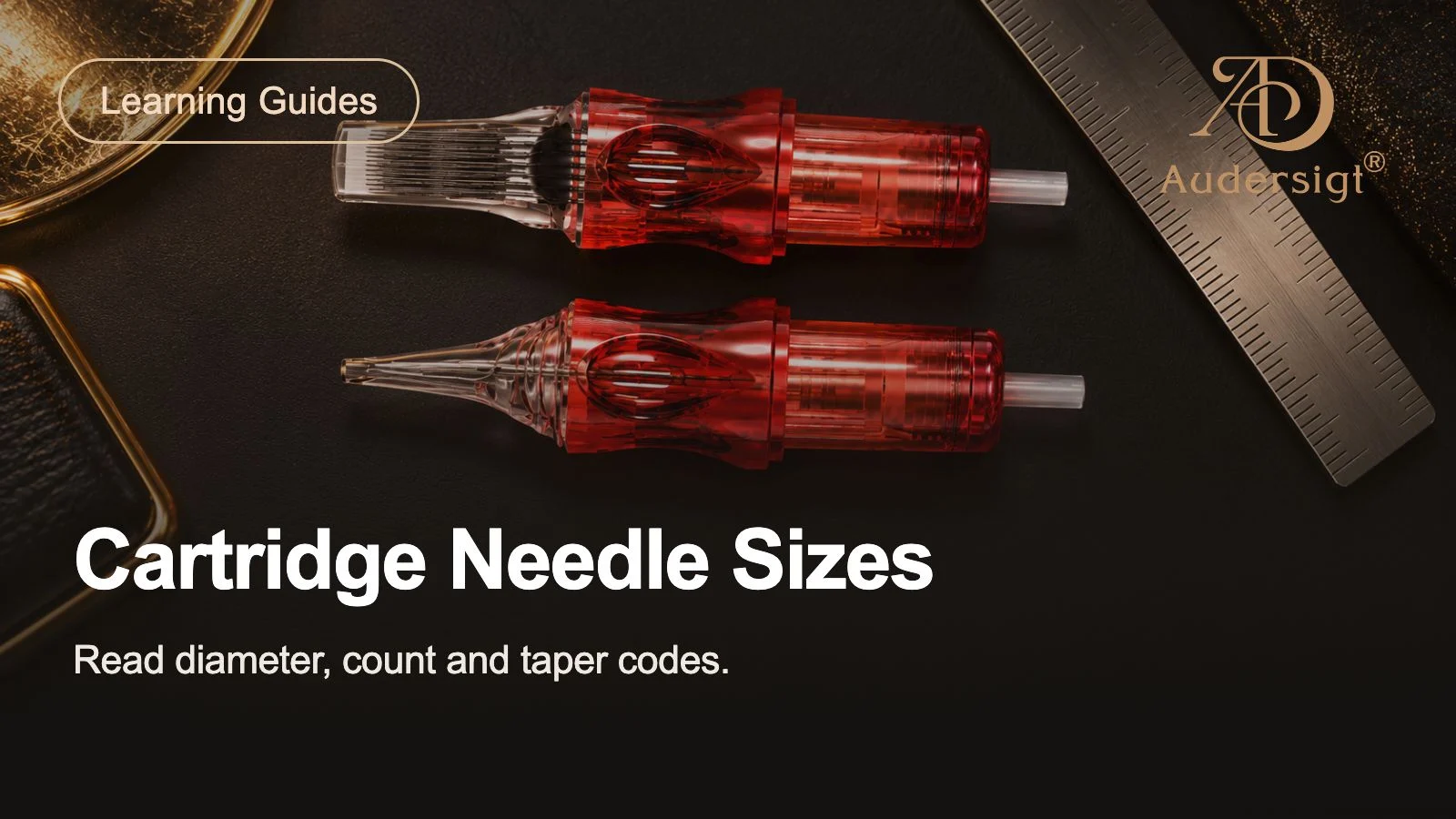
مقاسات خراطيش إبر الوشم: كيف تقرأ رمز المنتج؟
تعرّف إلى الفرق بين قطر الإبرة وعدد الإبر وترتيبها وتدرّج رأسها، مع مثال فعلي من FLAME وخطوات لمراجعة الطلب والعبوة عند الاستلام.