
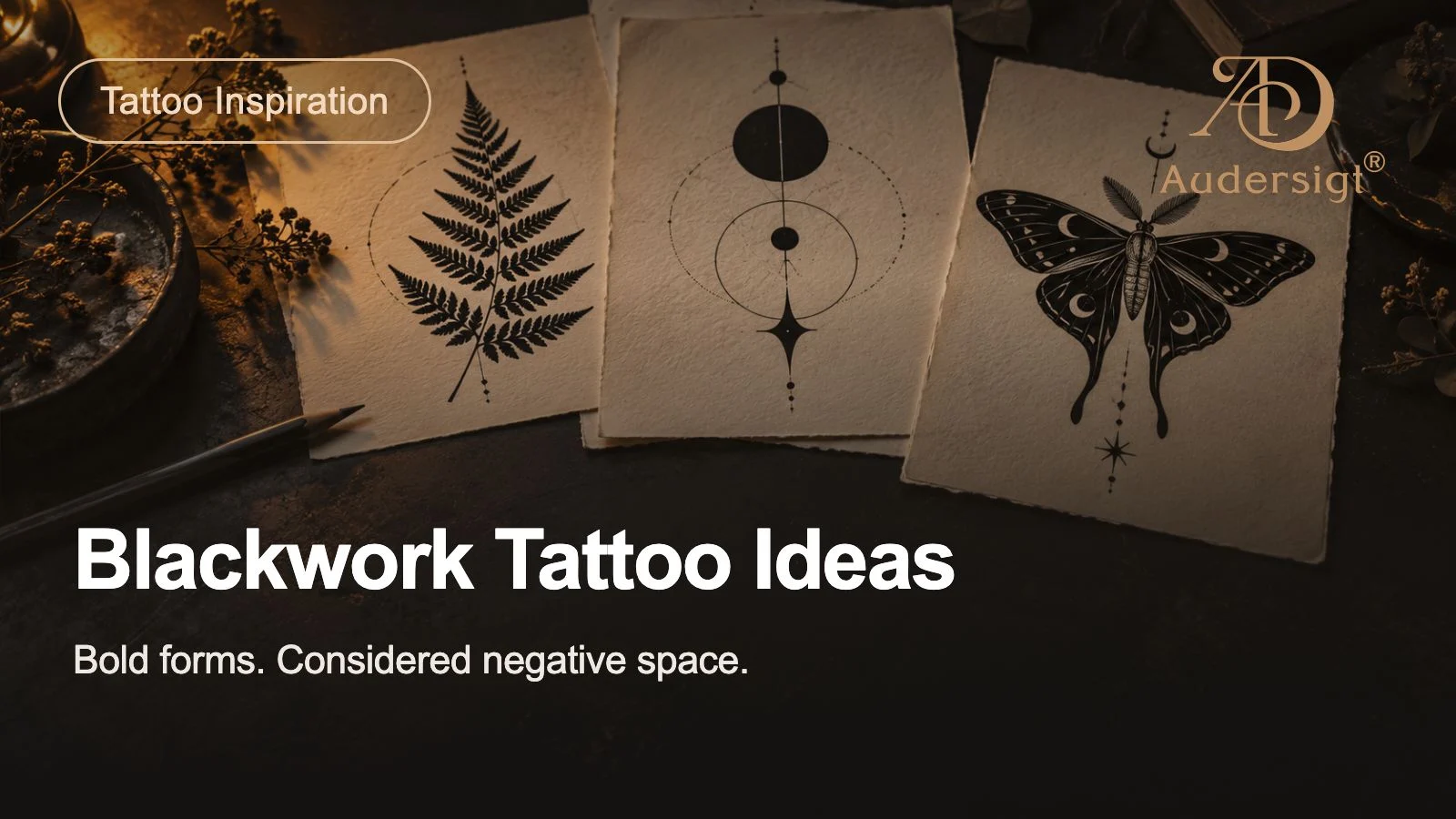
Blackwork tattoo ideas use black shapes, lines and the spaces between them to build a composition. The useful starting question is how much of the design should read as a solid silhouette and how much should remain open. That balance helps distinguish a bold emblem from an ornamental pattern or a larger connected piece.
Start with a silhouette
A bird, moth, leaf or abstract form can be recognizable from its outer shape alone. Compare the silhouette at the intended size before adding interior detail. If the outline loses its identity when reduced, additional texture is unlikely to solve the problem.
Write down the features that matter most: a wing shape, a curve, the direction of movement or a personal association. This gives the artist a design brief without requiring a copy of an existing tattoo.
Use negative space deliberately
Open areas can separate overlapping forms, create an internal rhythm or preserve a focal point inside a larger black shape. Consider those spaces as planned parts of the drawing.
Ask the artist to compare an open version with a denser version at the same size. That makes the difference easier to assess than comparing unrelated reference photos. The appropriate spacing and final execution need the artist's judgment for the actual placement.
Explore geometric and ornamental directions
Geometric ideas can begin with a repeated unit, a central axis or a sequence of shapes. Ornamental ideas may use directional curves, borders and repeating details. Decide whether the composition should feel symmetrical or intentionally uneven.
Discuss how it meets the boundaries of the body area and nearby tattoos. A flat pattern may need substantial adaptation to wrap or transition across a moving surface. A simple mock-up can make those questions visible before the final drawing.
Build a botanical composition
Leaves and flowers can be treated as silhouettes, open outlines or combinations of black areas and internal gaps. Blackwork does not require every part of a botanical design to use the same density. Contrast can come from the arrangement of the elements as well as from their internal treatment.
The floral tattoo design guide offers a separate way to think about stems, flower shape and grouping. Use that planning process to establish the subject before deciding how much black the composition needs.
Plan a larger piece as a whole
For an arm, leg or connected group of tattoos, discuss the overall direction and where the composition starts and ends. Leave room in the brief for the artist to adapt the shape rather than collecting isolated images that may not fit together.
Existing tattoos, desired future additions and visibility preferences belong in the same conversation. A design photograph cannot establish whether a particular cover-up or rework is suitable; that requires an individual consultation.
Prepare references responsibly
Choose references for specific qualities such as silhouette, spacing or movement. Identify the original artist where possible and explain which qualities interest you. Treat another artist's completed tattoo as a reference for discussion, not as a ready-to-copy design.
At the consultation, confirm the subject, scale, placement, desired density and elements to avoid. Ask to see relevant healed work and discuss the artist's own design approach. For equipment planning, artists can separately review the cartridge configuration guide; the appearance of a finished design does not identify the cartridge or settings used.
Find your next tattoo setup
Shop productsRelated Articles
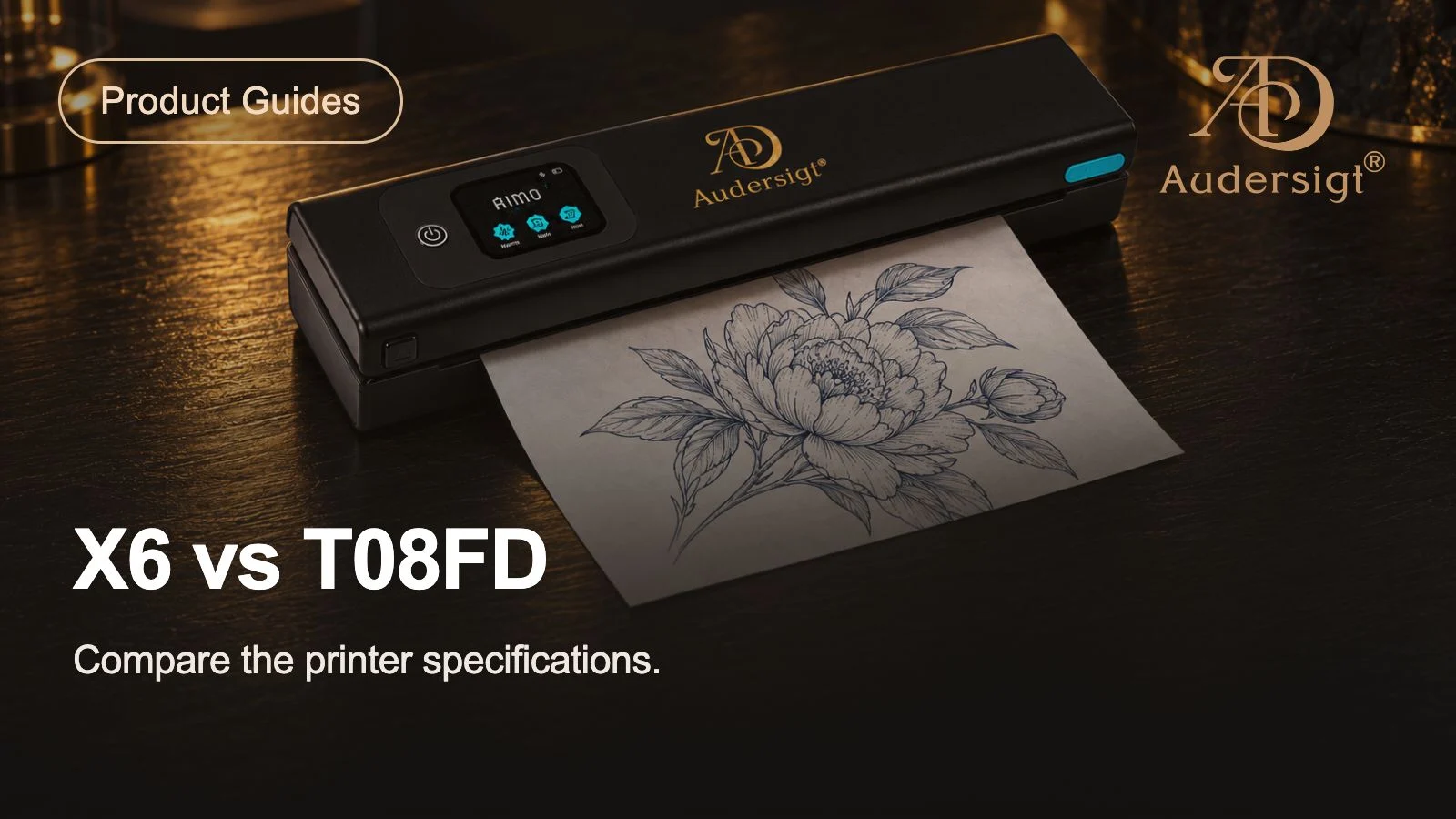
Best Tattoo Stencil Printers: X6 vs T08FD
Compare the Audersigt X6 and T08FD tattoo stencil printers by paper support, connectivity, battery, controls, size, and real studio workflow.

Best Wireless Tattoo Machines: A Specification-Led Studio Guide
Compare four Audersigt wireless tattoo machines by documented stroke, motor, battery, grip, weight, and a repeatable studio verification plan.
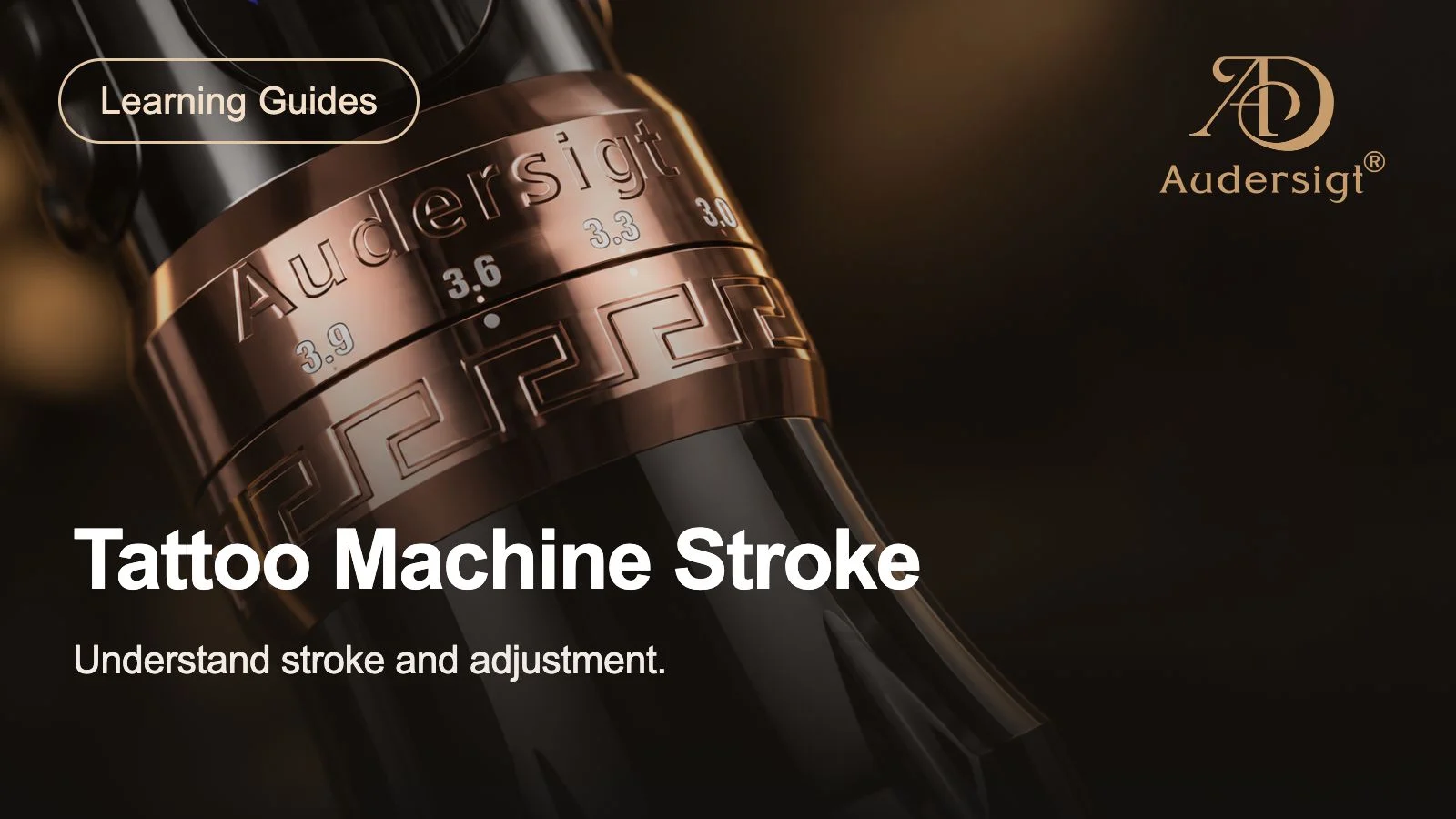
Tattoo Machine Stroke Guide
Learn how tattoo machine stroke length affects lining, shading, color packing, needle control, and daily studio setup decisions.