
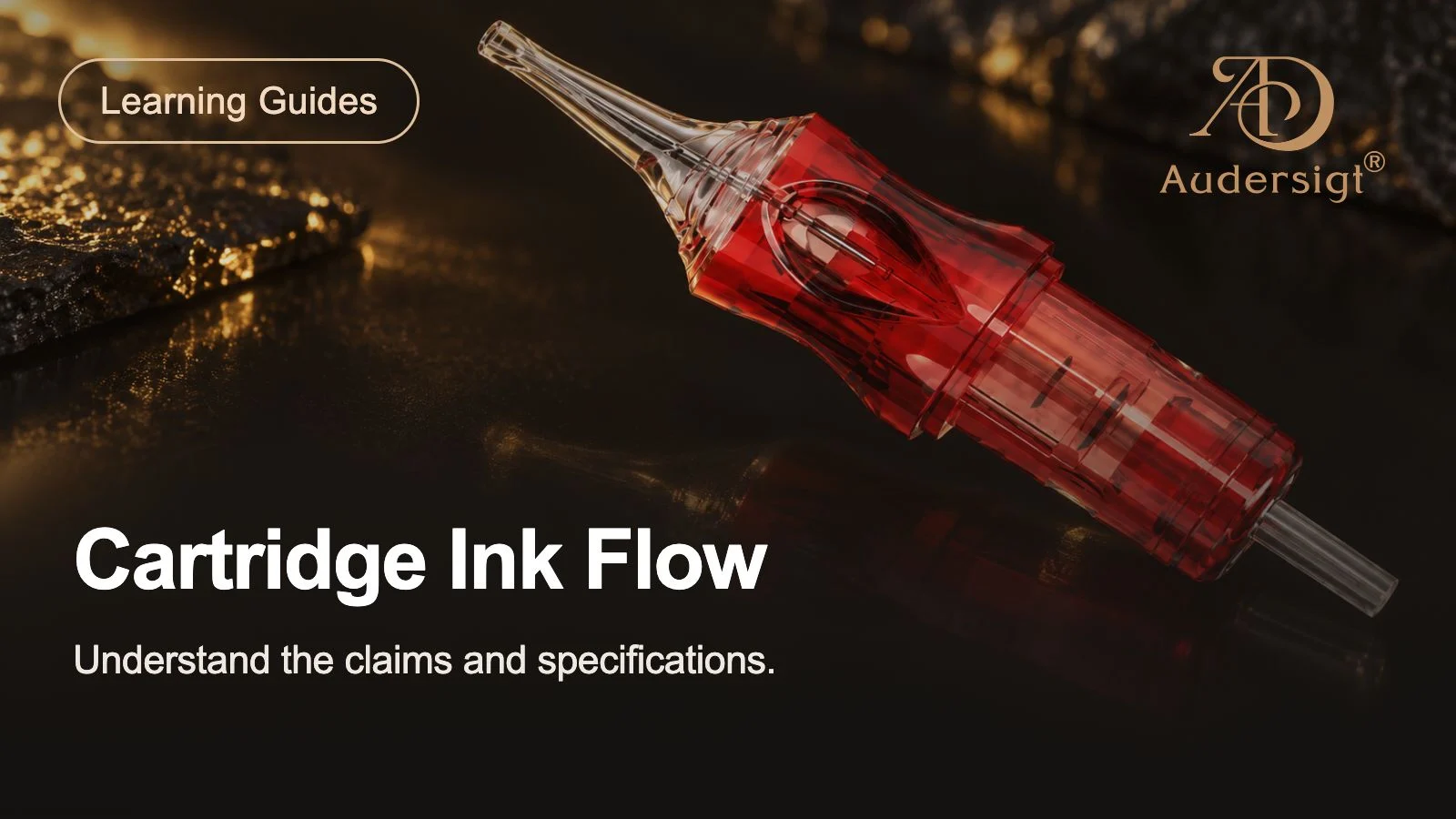
“Capillary” on a tattoo cartridge listing should lead to a product-specific explanation. It does not, by itself, establish a particular reservoir design, a guaranteed reduction in dipping or a safer cartridge. Identify the exact product, then separate its documented construction from the results claimed for it.
Cheyenne sells a named Capillary Cartridges range and describes ink uptake and distribution features for that range. Those are manufacturer claims about Cheyenne products. They should not be transferred to other cartridges because the housings look similar or both products use a membrane.
Separate the questions behind the terminology
Four different questions often get combined in a cartridge description:
| Question | Evidence to look for | What it does not prove |
|---|---|---|
| How is ink held and delivered? | A description or diagram of the specific ink-management feature | A guaranteed line quality or finished result |
| How are the needles grouped? | Configuration, count, diameter and taper | A particular reservoir design |
| How is backflow addressed? | Product-specific membrane documentation | Unlimited protection or a substitute for studio hygiene procedures |
| What arrives in the box? | Exact SKU, variant and packaging information | That a different product in the series shares every feature |
A claim about ink storage is not a claim about needle configuration. A claim about a membrane is not evidence of a capillary mechanism. Keeping those distinctions clear makes a supplier conversation much more useful.
What is verified for Audersigt FLAME?
The current Audersigt FLAME M1 product page identifies the cartridge as a weaved magnum and describes its housing and membrane. That page does not establish a capillary reservoir design or publish a comparative ink-capacity test.
For that reason, this guide does not present FLAME as equivalent to Cheyenne's Capillary Cartridges. A transparent tip or the ability to see ink inside a cartridge does not establish that the products use the same internal design. If a specific Audersigt variant is described as capillary in a supplier listing, request documentation for that exact SKU before relying on the claim.
Ask useful questions about performance claims
When a listing promises more ink uptake, less dipping or reduced splatter, ask:
1. Which model and configuration were evaluated? 2. What was the comparison cartridge? 3. Which ink and machine setup were used? 4. How was the outcome measured, and how many samples were involved? 5. Is the evidence a manufacturer's statement, a documented test or an artist's individual observation?
These questions help distinguish a useful specification from a broad promotional phrase. A percentage or multiplier without test conditions is difficult to apply to a studio purchase.
Avoid treating “consistent ink flow” as proof that an artist will need fewer passes, obtain a particular healed result or work more safely. Those conclusions go beyond a description of an ink-management feature.
Evaluate a candidate without changing every variable
For a studio's own controlled practice comparison, keep the exact cartridge variant, ink, machine configuration and practice material in the record. Change one product variable at a time where feasible. Note the observation you are actually making, such as reload frequency under that setup, instead of attributing the result to an unseen mechanism.
Record a sample's batch and full specification so it can be identified later. Treat observations on practice material as limited to that exercise; they do not establish clinical safety or healed outcomes.
If the immediate buying decision is between liners, shaders and magnums, start with the configuration guide. Use the needle sizes guide for diameter, count and taper. A documented match for the work is a stronger purchasing basis than an unexplained technology label.
Find your next tattoo setup
Shop productsRelated Articles
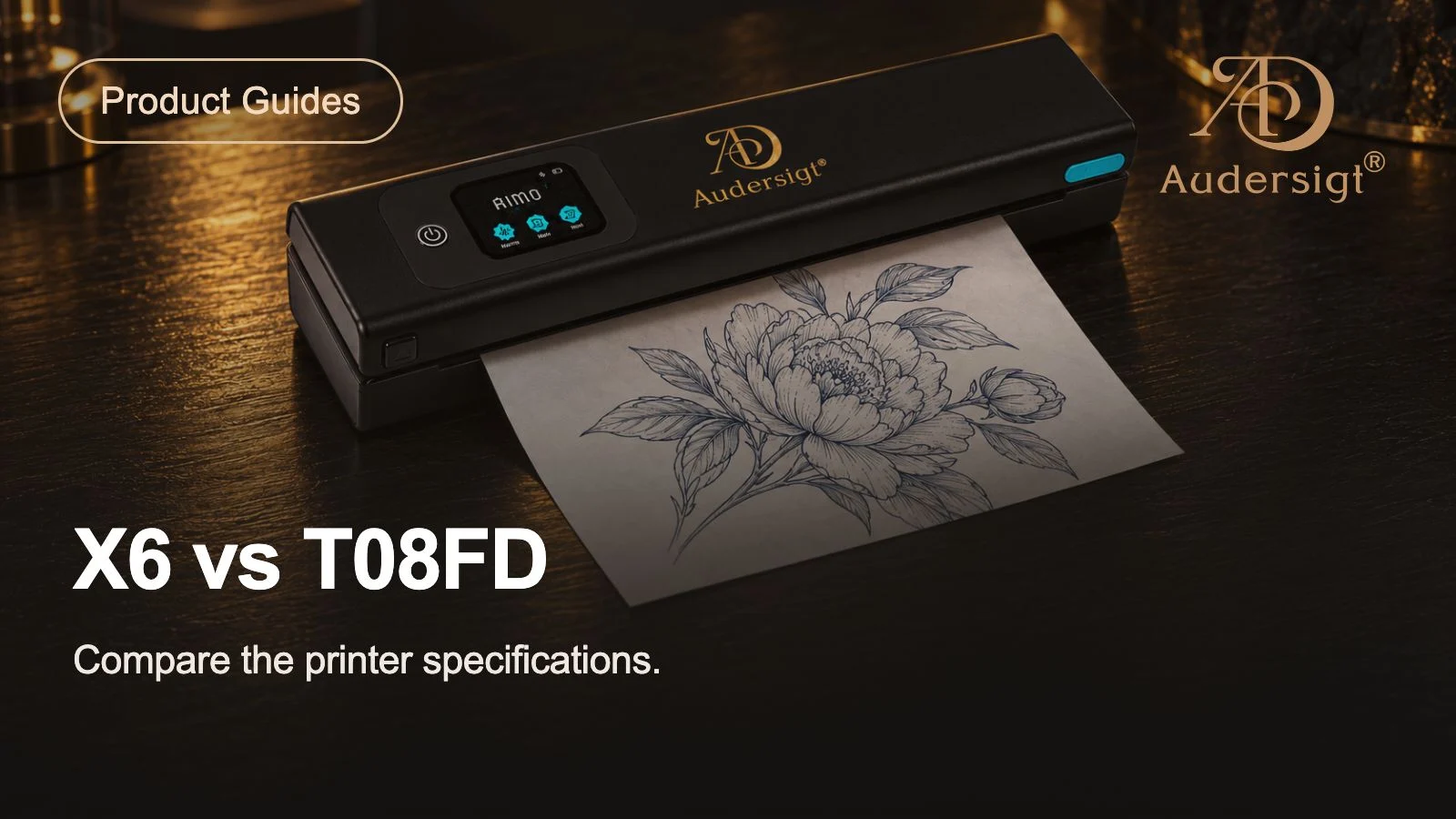
Best Tattoo Stencil Printers: X6 vs T08FD
Compare the Audersigt X6 and T08FD tattoo stencil printers by paper support, connectivity, battery, controls, size, and real studio workflow.
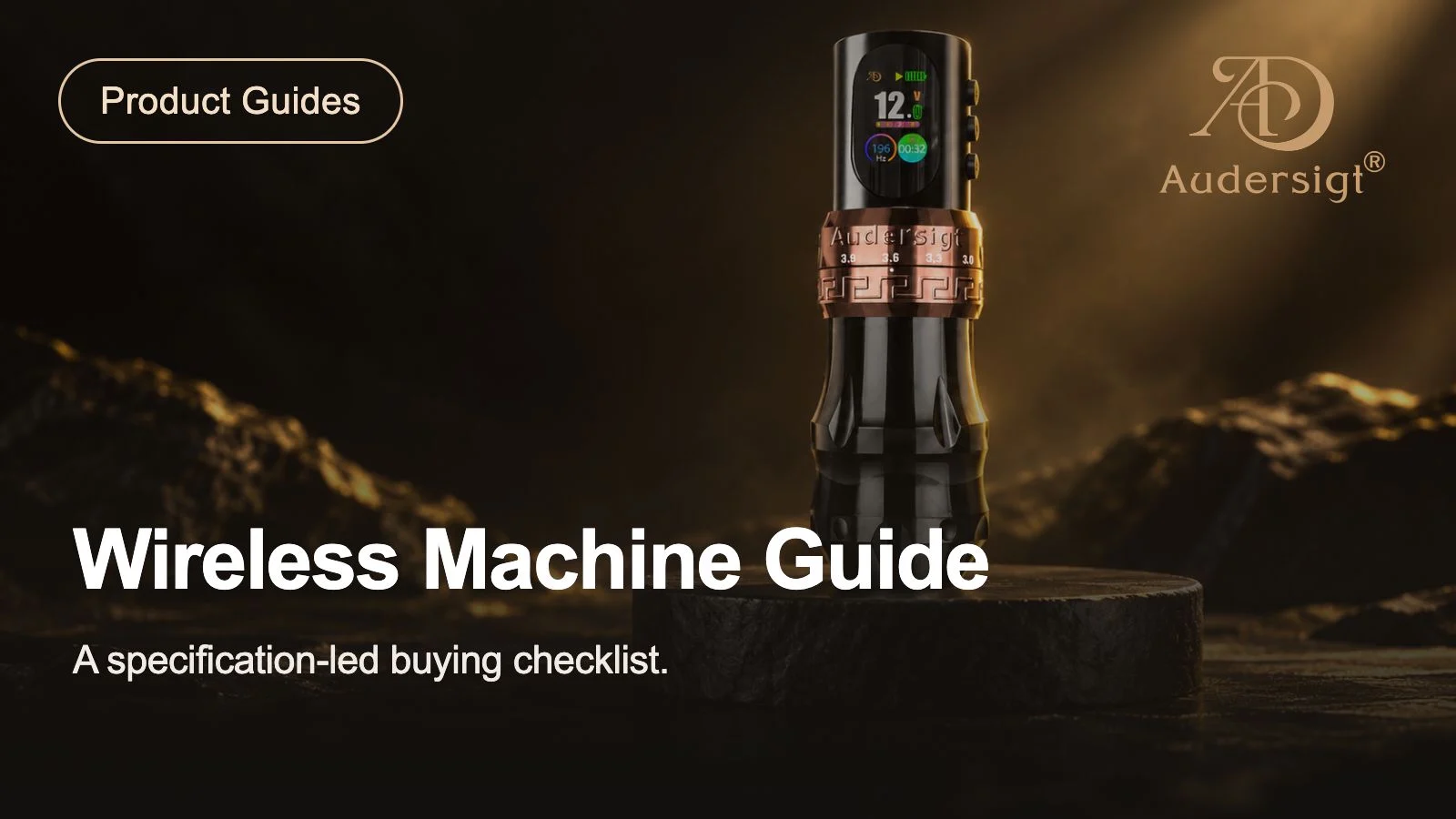
Best Wireless Tattoo Machines: A Specification-Led Studio Guide
Compare Audersigt D2 Pro, KT088, KT108 and MAX PRO by documented stroke, battery and grip configurations, with a practical buying checklist.
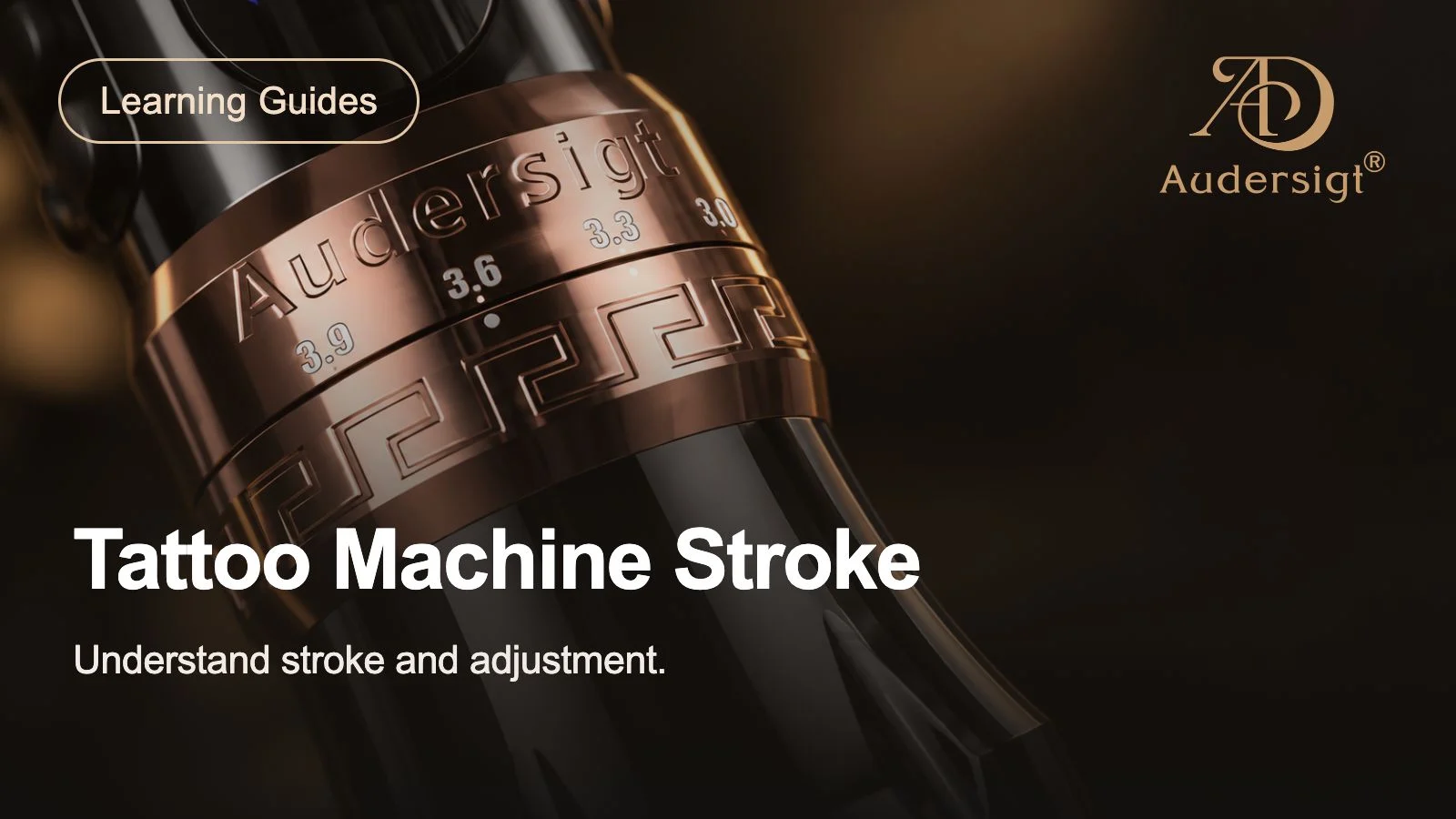
Tattoo Machine Stroke Guide
Learn how tattoo machine stroke length affects lining, shading, color packing, needle control, and daily studio setup decisions.