Dotwork describes an image built partly or largely through visible dots. In a rosette, ginkgo leaf or sphere, the important design question is where dot density changes and what stays open. The drawings here show visual organization, not a prescribed machine technique or tested dot size.
What makes this Dotwork design readable?
Use density to establish value without losing the larger motif. A dark dotted area and a solid black area may look similar at a distance but rely on different mark structures. Review the design both close up and as a small overall image.
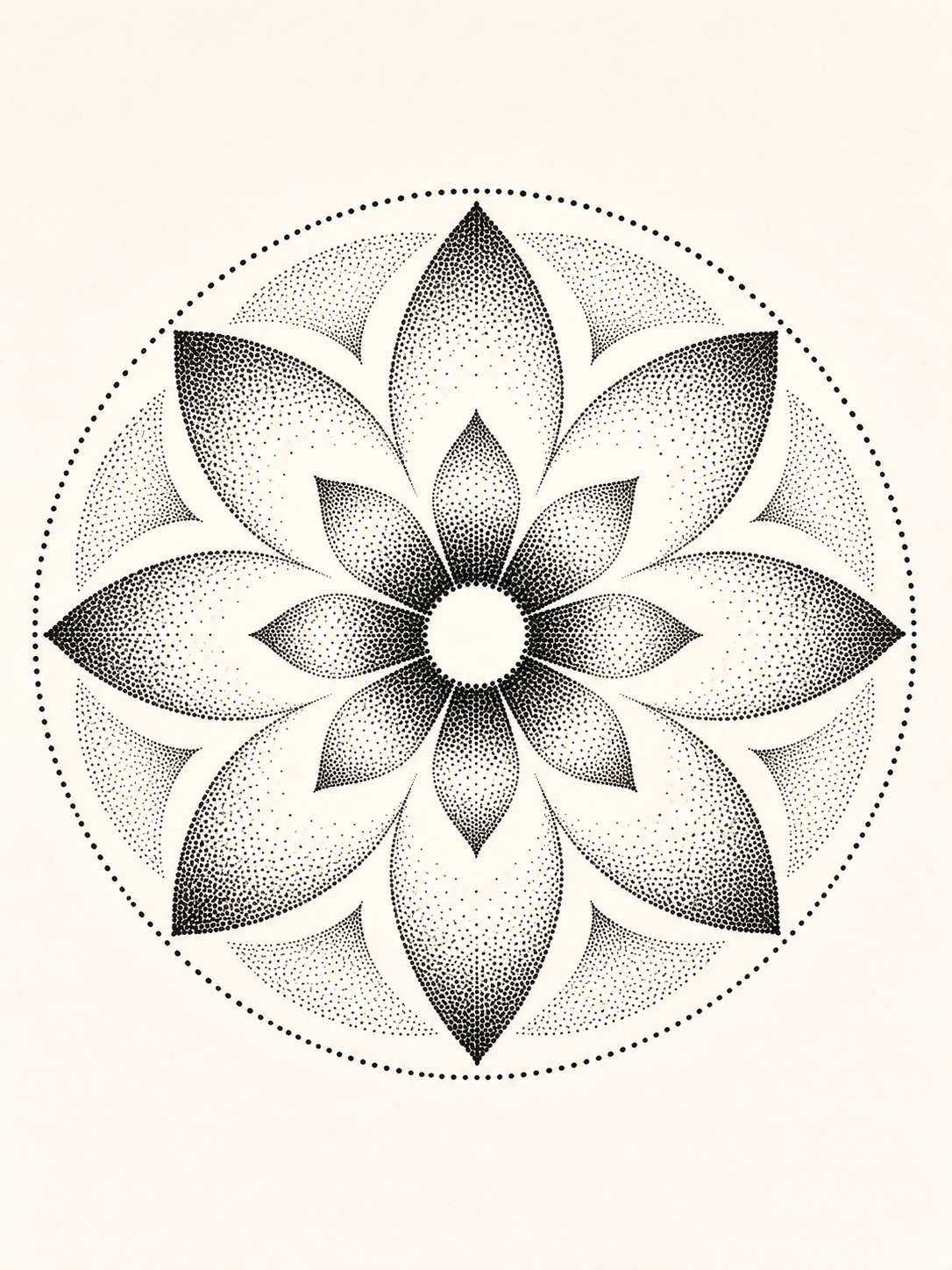
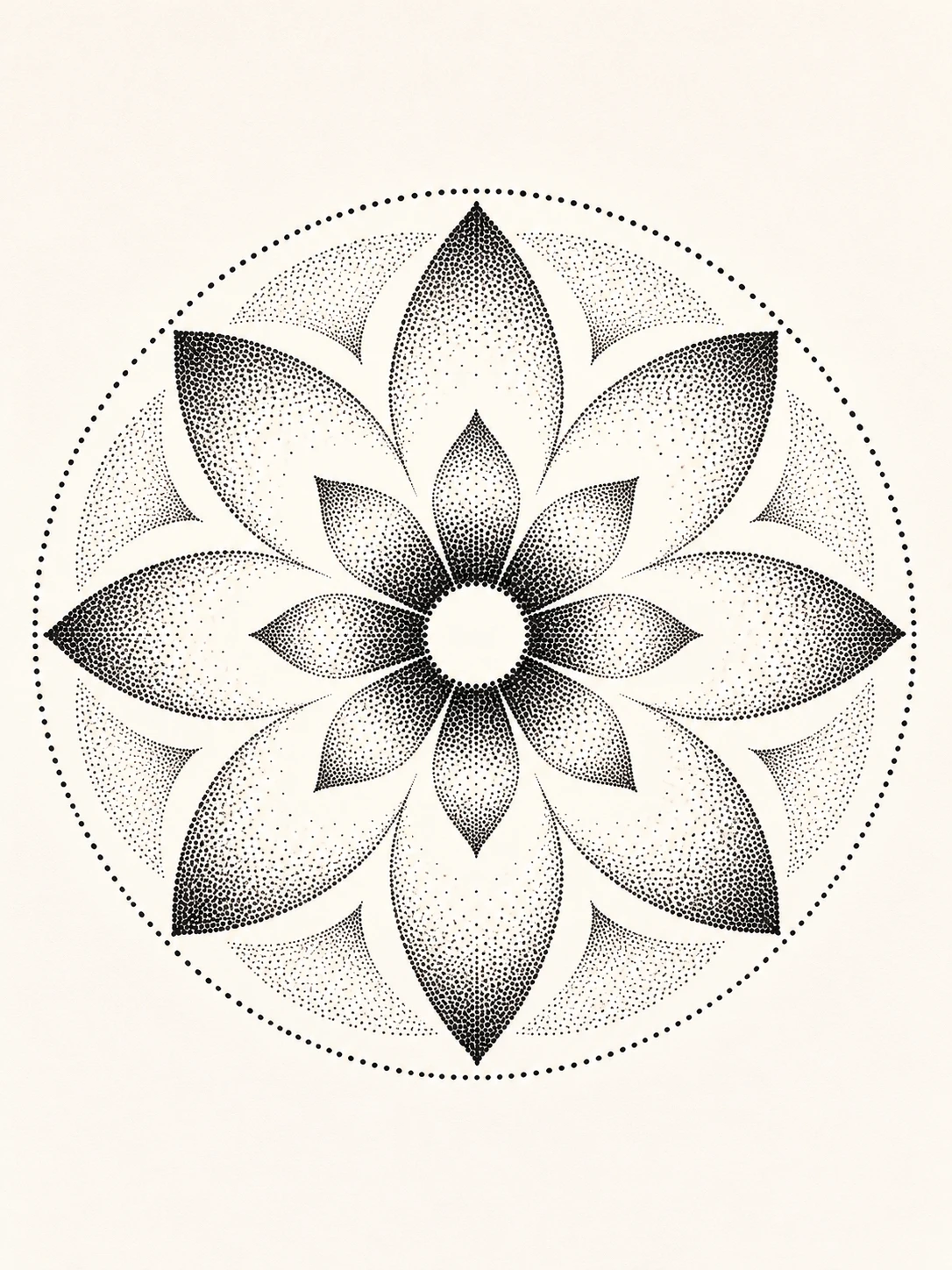
Dotted rosette
Repeated rings create rhythm. Different density zones should remain separated by intentional white channels rather than merging into one dark ring.
Identify any continuous outlines separately from dot fields. Compare candidate specifications with the mark structure you intend to investigate; a lower count does not automatically guarantee a particular dot size or easier control.
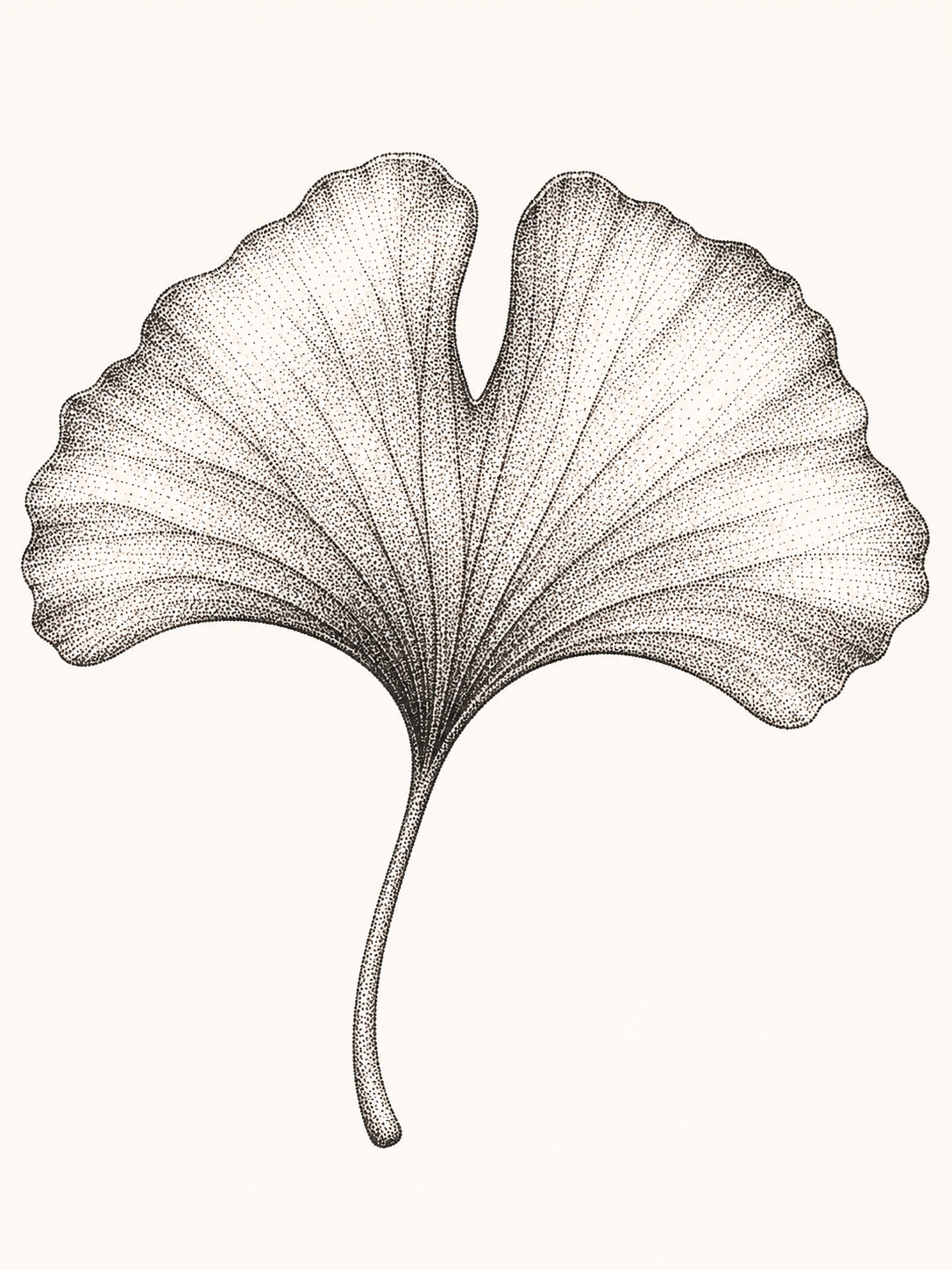
Dotted ginkgo
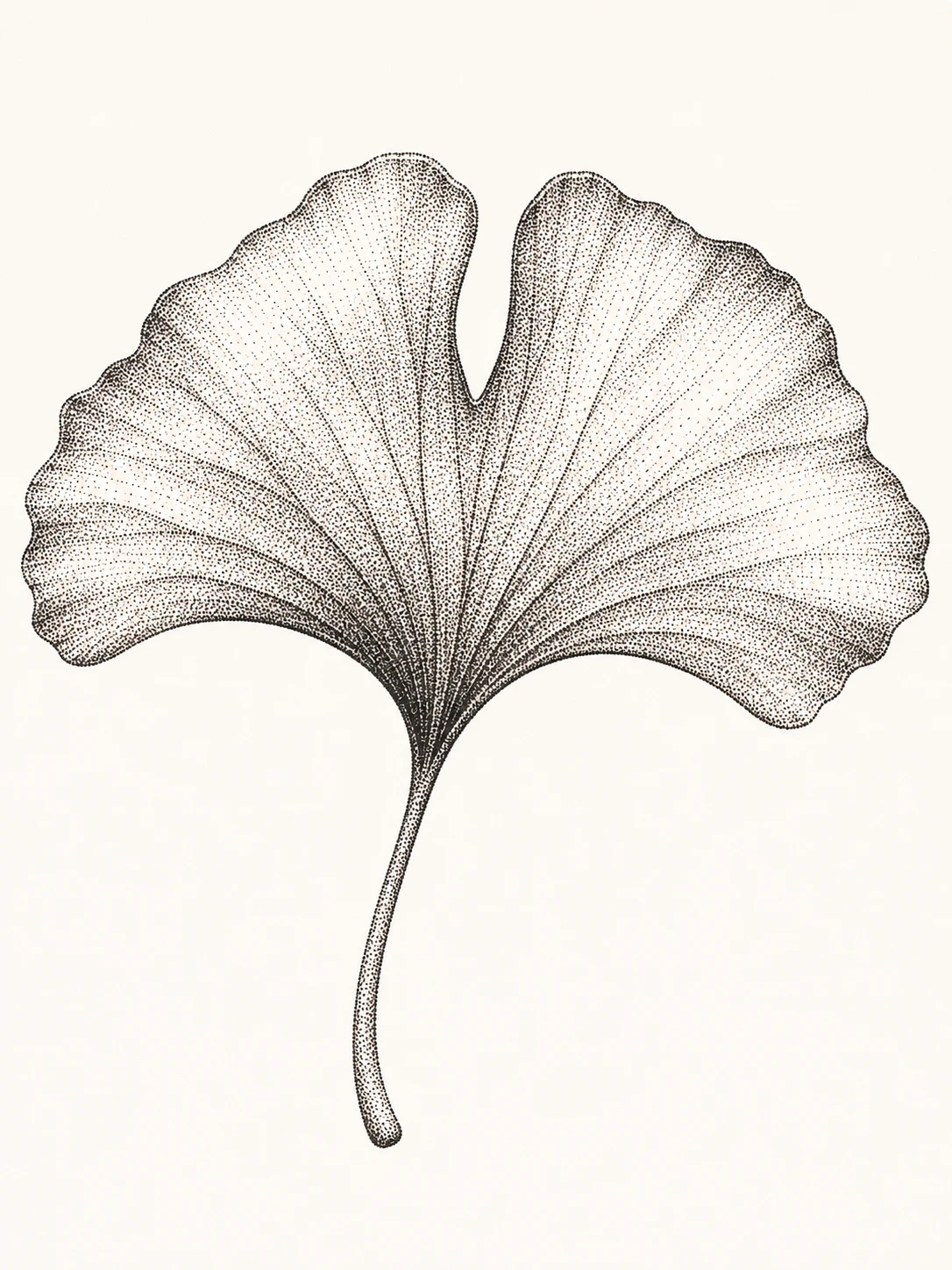
The fan silhouette establishes the leaf, while increasing density gives its lobes volume. White gaps keep the vein direction visible.
Review the narrow vein-adjacent fields and broad lobe areas separately. Record the target visual density rather than asking for a universal dotwork code. Then compare complete candidate specifications.
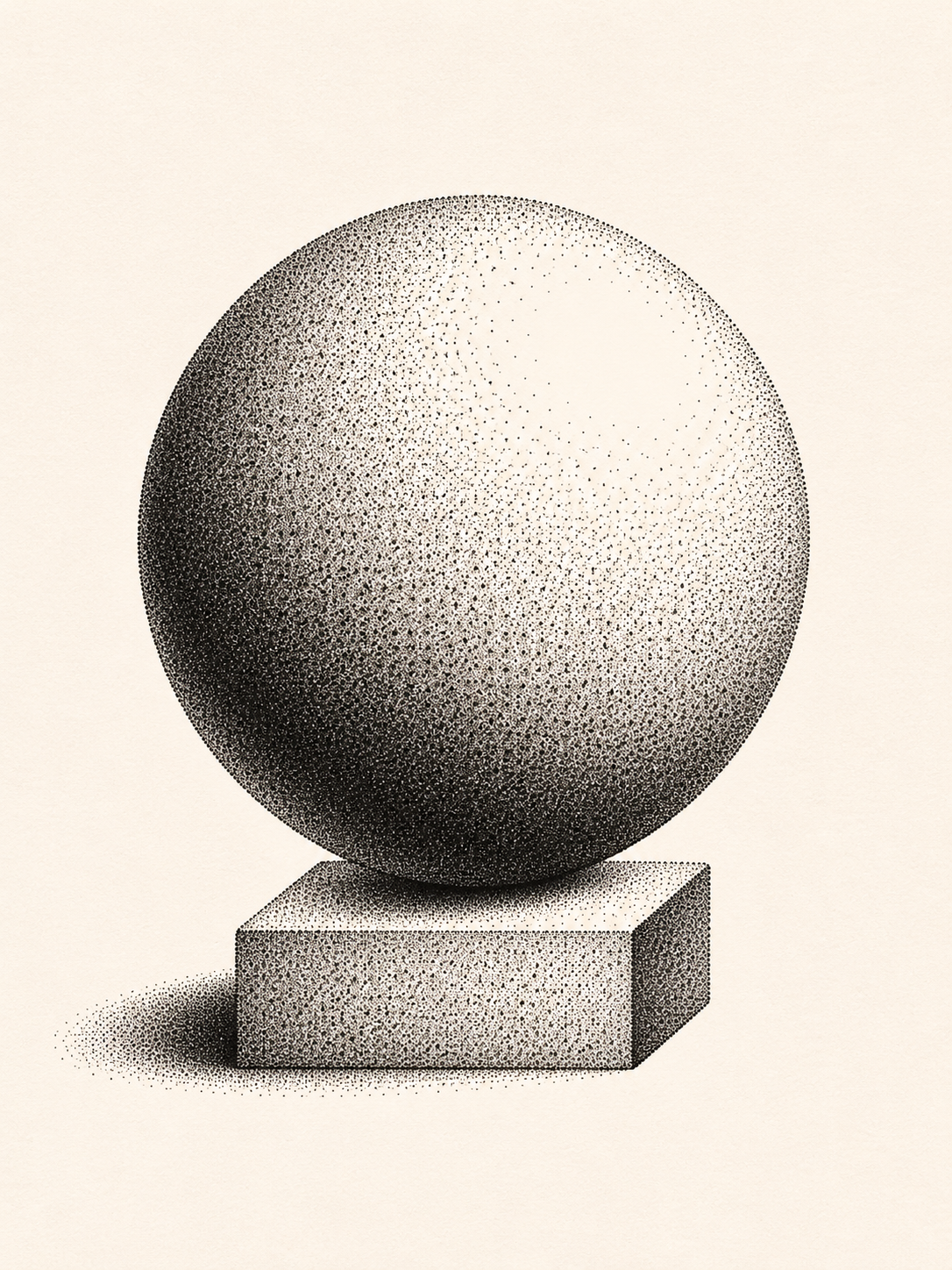
Dotted sphere
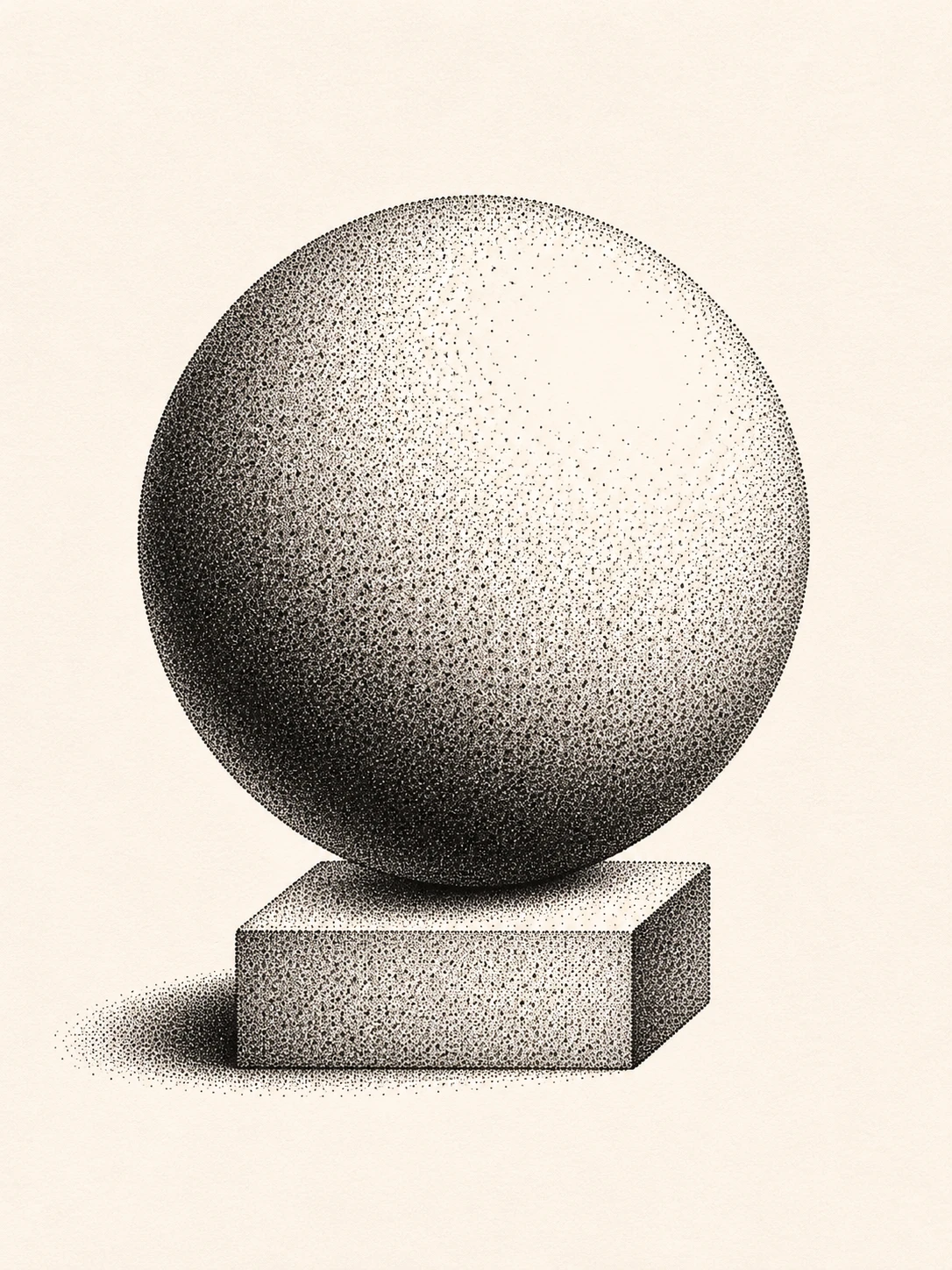
A gradual density change describes curvature. The light area remains open while the darkest region still belongs to the same rounded form.
Define the size of the broad transition and its boundary first. Different groupings can be investigated for different mark structures, but no result has been tested in this article. Record actual observations separately from the drawing.
Turn the design analysis into a complete specification
The printed size of dots in an illustration does not prove the dot size a particular cartridge will create on skin.
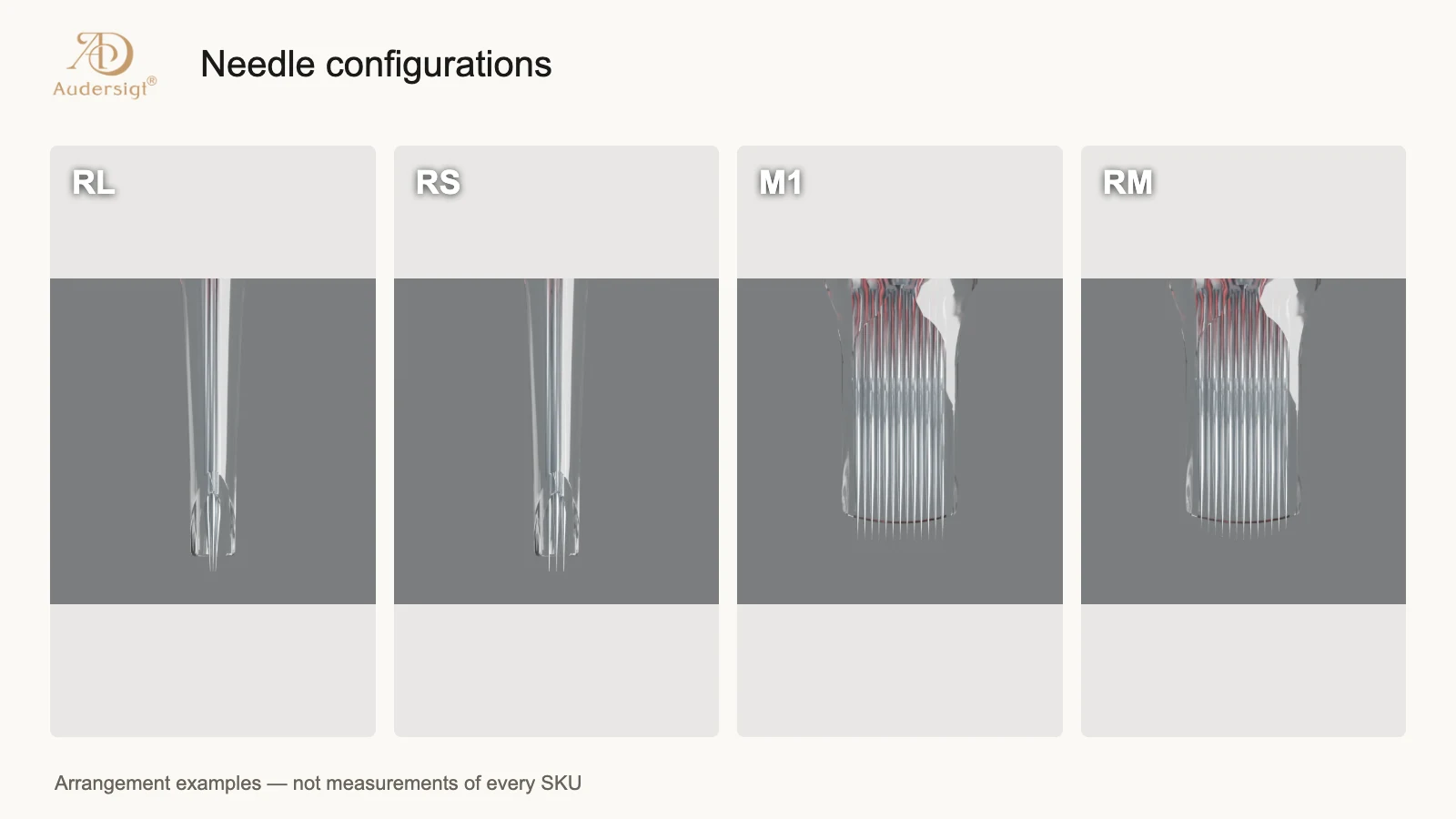
For example, FLAME 1003RL and 1005RL both use a nominal 0.30 mm diameter and a catalog-listed Long Taper; count changes from three to five. By contrast, 1207RL and 1207RS both specify seven 0.35 mm needles, and both series are confirmed as Long Taper. Their arrangement differs. Exact taper lengths in millimetres have not been verified, so do not infer identical grind geometry from that shared label.
These are catalog specifications, not performance measurements. The model illustration shows arrangement only; its depicted needle count does not describe every product option.
| Task in the design | What to compare | What to check |
|---|---|---|
| Contour or small detail | RL diameter, count and packing | Target line hierarchy, gaps, taper and series |
| Narrow shaded region | Smaller shading-group candidates | Local access and actual group shape |
| Broad transition or filled area | M1/RM and sizes within each series | Area, boundary, complete specifications |
Before adding cartridges to your order
Record the motif, intended size, specific region, desired visual role and candidate full code. Check the FLAME RL, RS, M1 or RM product page for its actual options; the available ranges differ. Boxes contain 20 cartridges. Stock and exact compatibility need confirming from the current product and equipment information.
Use the needle sizes guide for codes and parameter distinctions. The style selection overview explains how the same task can appear across different styles. Keep design references and any actual test records separate.
Frequently asked questions
Is there one best needle size for Dotwork?
No. Start with the specific line, shadow, transition or filled area, then compare complete specifications. A style can contain several different tasks.
Does the artwork show a tested tattoo result?
No. These are original AI-assisted digital design studies. They are not photographs of tattoos, healed results or professionally tested stencils.
Can I calculate line width from needle count?
No. Count, nominal diameter, packing, taper and series describe different aspects of a cartridge. They do not provide a guaranteed finished line width.
What information should I confirm before ordering?
Confirm the brand and series, complete code, nominal diameter, count, arrangement, taper, machine/grip compatibility and box quantity. Ask for missing information rather than inferring it from shell color.
Download the three-design PDF (EN)
Original AI-assisted digital design references, not photographs of tattoos or tested stencils.
Find your next tattoo setup
Shop productsRelated Articles
Best Tattoo Stencil Printers: X6 vs T08FD
Compare the Audersigt X6 and T08FD tattoo stencil printers by paper support, connectivity, battery, controls, size, and real studio workflow.

Best Wireless Tattoo Machines: A Specification-Led Studio Guide
Compare Audersigt D2 Pro, KT088, KT108 and MAX PRO by documented stroke, battery and grip configurations, with a practical buying checklist.
Tattoo Machine Stroke Guide
Understand stroke, needle protrusion and depth, then compare machine settings, cartridges and power systems without relying on a universal setup chart.